Understanding these stages can help you recognize problems in yourself or your loved one and intervene before the consequences get worse. Every month, 150,000 people search for addiction or mental health treatment on Recovery.com. Our advisory board brings together leaders in behavioral health, technology, and business.

The 4 Stages of Alcohol Recovery: A Path to Healing
According to the National Institute on Alcohol Abuse and Alcoholism (NIAAA), heavy alcohol use is defined as more than 4 drinks on any day for men or more than 3 drinks for women. One of the primary early warning signs of alcoholism is using alcohol to cope with life stressors like financial problems, relationship issues, daily stress, sadness, or other negative emotions. Although there is nothing wrong with occasional social drinking, the problem manifests when you start using alcohol as a crutch to deal with stressful events or emotions in life. To prevent alcohol addiction involves strengthening coping skills, educating young people, promoting family communication, and limiting exposure to pro-alcohol messages. Teaching resistance strategies, problem-solving, and emotional regulation helps individuals avoid alcohol in stressful or peer-pressure situations.

Warning Signs and Behaviors
These programs Alcohol Use Disorder offer continuous supervision and medication to mitigate withdrawal symptoms and prevent complications. Health professionals also consider the presence and severity of withdrawal symptoms when diagnosing alcohol use disorder. Symptoms like tremors, sweating, and anxiety can indicate a deeper level of dependence. Early diagnosis and intervention can greatly improve treatment outcomes, addressing the issue before it worsens. During this stage, individuals might find themselves drinking alone more frequently and using alcohol as a coping mechanism for stress.
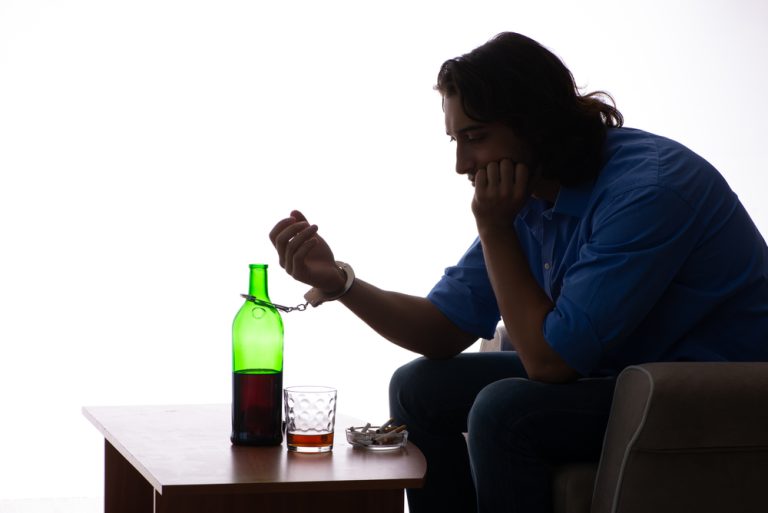
Stage #1: Pre-Alcoholic (Binge Drinking and Social Drinking)
While drinking is common, it is not social drinking or moderate, controlled drinking that is a reason five stages of drinking for concern. It is when drinking becomes frequent and uncontrolled, leading to dependence and alcohol use disorder, that is when it becomes dangerous. If a person believes they may be drinking excessively or may have developed AUD, they should speak with a healthcare or mental health professional or reach out to a support organization. People used to refer to alcohol use disorder as alcoholism, and the people with it as alcoholics.
- People in the late alcoholic stage may attempt to quit drinking several times and remain unsuccessful.
- This article walks you through the early, middle, and end stages of alcoholism, highlighting key symptoms and treatment options at each stage.
- In the early stage of alcoholism, individuals may exhibit specific signs and symptoms that can serve as warning signs for potential problems.
- There are inpatient and outpatient options, but an addiction specialist should determine the best level of care for you based on your individual needs.
Early Stage (Mild AUD)
Recognizing problem drinking and seeking treatment as quickly as possible is crucial. http://non-proliferation.thedtic.gov.za/how-is-sober-living-different-from-residential/ Your relationships are suffering and you do not feel like your friends or family understand your experience. Your health has likely deteriorated to the point of liver damage or even failure. At this stage, you will experience severe withdrawal symptoms when you stop drinking, potentially including seizures and vivid hallucinations.
- View our editorial content guidelines to learn how we create helpful content with integrity and compassion.
- Calling the number is free and confidential, but treatment services may involve costs depending on your insurance coverage and the level of care required.
These support systems are essential for helping individuals navigate recovery challenges and build a healthy, substance-free life. Continual counseling is crucial for addressing the psychological aspects of addiction and maintaining sobriety. Recovery support services, especially those offered by peers, can enhance engagement in treatment and improve overall satisfaction. Begin your journey to recovery with personalized drug & alcohol rehab—verify your insurance coverage in under a minute. The Recovery Village Palmer Lake specializes in compassionate, evidence-based care tailored to your needs. Whether you’re seeking help for yourself or a loved one, we’re here to guide you every step of the way.
Alcohol Overdose: Definition, Causes, Signs and Symptoms, Risk Factors, Effects, Treatment
These stages occur as the alcohol addiction progresses from its earlier or mild form to a more severe presentation of alcohol use disorder. It improves the outcomes by preventing severe physical and mental effects of alcoholism and also relapse. Moreover, early intervention enables the person to maintain healthy relationships, career stability, and overall well-being.